Fundamentals
What is campus marketing?
A plain-language definition of campus marketing - how it differs from generic Gen Z or influencer marketing, and which formats brands actually use.
In shortCampus marketing is brand marketing designed specifically for college campuses. It uses enrolled students, campus moments, and peer networks - ambassadors, activations, seeding, and student creators - to build awareness, trial, and cultural ownership where Gen Z already gathers.
Campus marketing vs Gen Z marketing
Gen Z marketing can live anywhere online. Campus marketing is place-based: it happens inside universities, Greek systems, athletics, clubs, and dorm networks. The channel is peer culture, not only media inventory.
That is why campus programs can create ownership national media alone rarely builds. Students do not just see the brand - they meet it through people they already trust.
Common formats
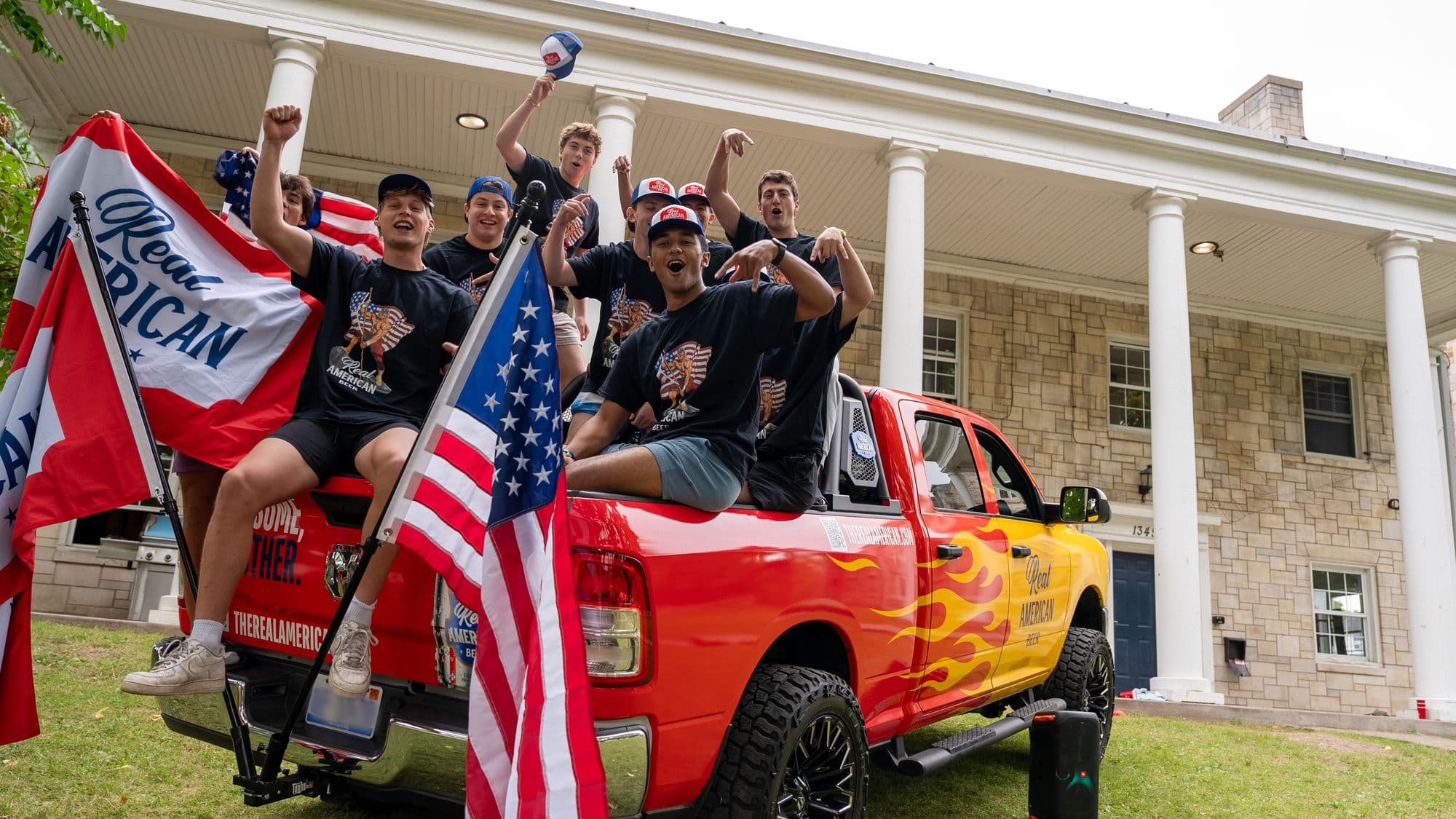
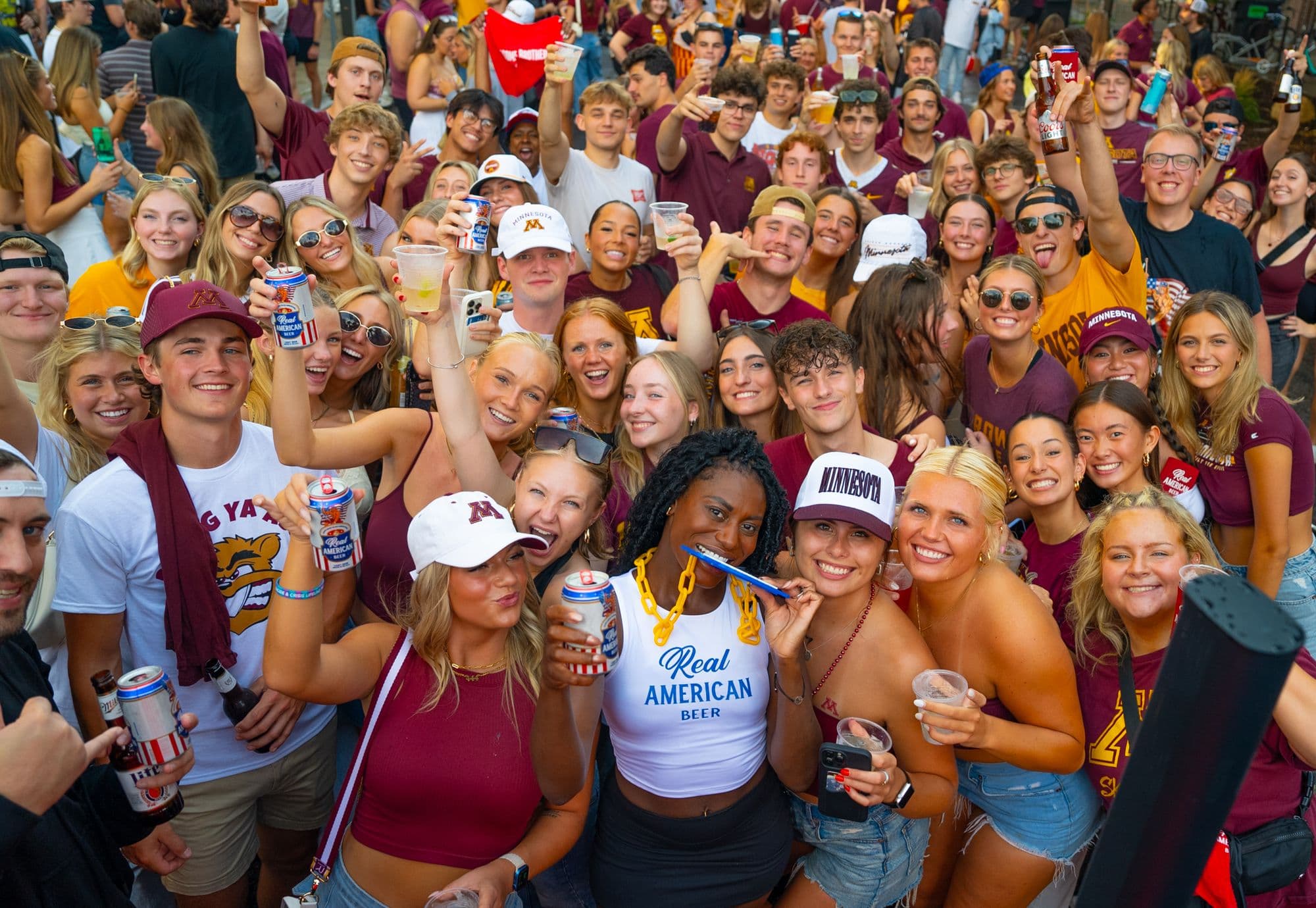
Ambassador programs, gameday activations, product sampling, Greek seeding, retail door programs near campus, and student UGC are the core formats. Strong plans combine several of them against one goal.
A download campaign might emphasize ambassadors, tabling, and creators. A beverage launch might emphasize sampling, seeding, and retail checks.
Who it is for
CPG, beverage, alcohol (with compliance), beauty, apparel, apps, and consumer tech brands use campus marketing when they need authentic trial and cultural footholds - not just impressions.
If your buyer is not on campus, do not force it. If they are, campus is often one of the highest-leverage places to earn them early.
How programs are run
The best campus marketing is operated weekly: recruiting, briefing, tasks, proof, and recap. It is closer to field marketing plus community than to a media buy.
FLAIR exists to make that operating system reliable across schools.
Frequently asked questions
- Is campus marketing the same as influencer marketing?
- No. Influencer marketing buys posts. Campus marketing builds ongoing student operators and live campus presence - often with content as one layer, not the whole plan.
- Do brands need to be on every campus?
- Usually not. Most programs start with a focused set of priority schools that match the brand’s audience, category, and distribution, then scale what works.
- How is campus marketing different from traditional field marketing?
- Field marketing can be transactional and temporary. Campus marketing leans on enrolled peers, semester relationships, and cultural calendars unique to universities.
- When should a brand start campus marketing?
- Often before or during a launch window, a new market push, or when national media is not converting Gen Z with enough peer proof.