Programs
What is a campus brand ambassador program?
A clear definition of campus brand ambassador programs - how they work, what students do, how brands measure them, and what separates a real program from a one-off influencer post.
In shortA campus brand ambassador program is a college marketing model where enrolled students represent a brand on their campus through peer outreach, sampling, events, and social content. Unlike one-off influencer posts, ambassadors operate over a semester and become part of student culture.
What ambassadors actually do
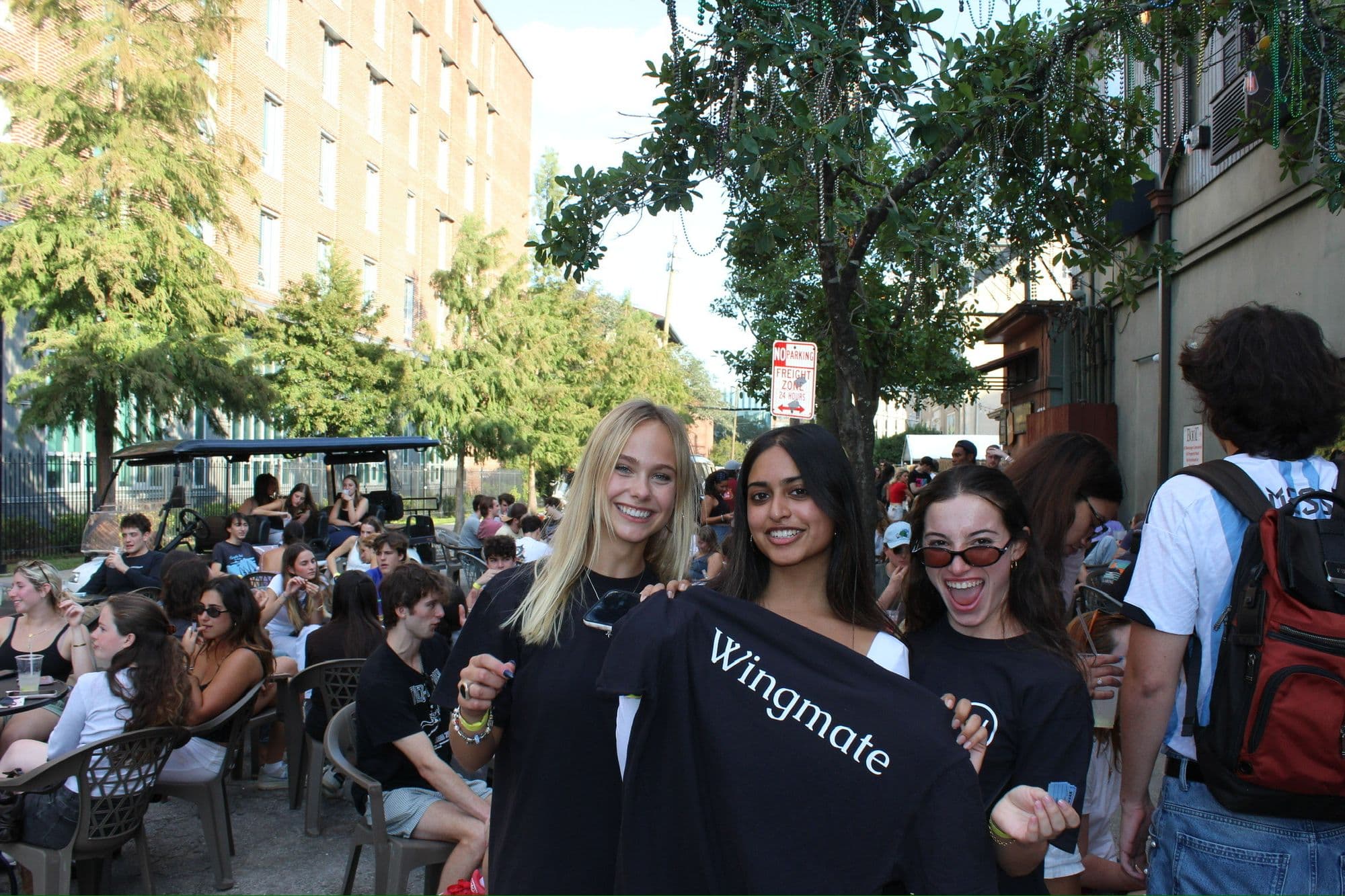
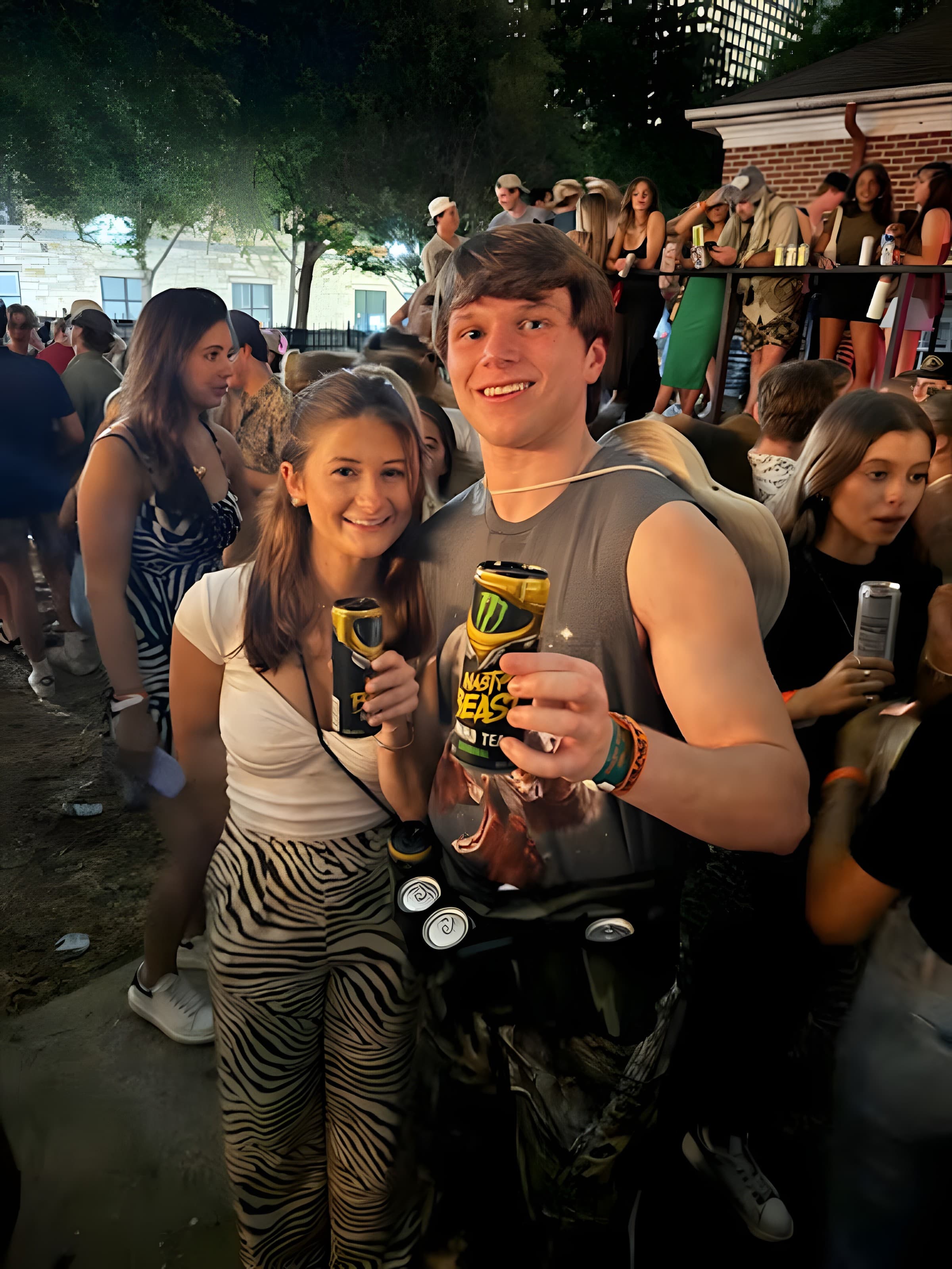
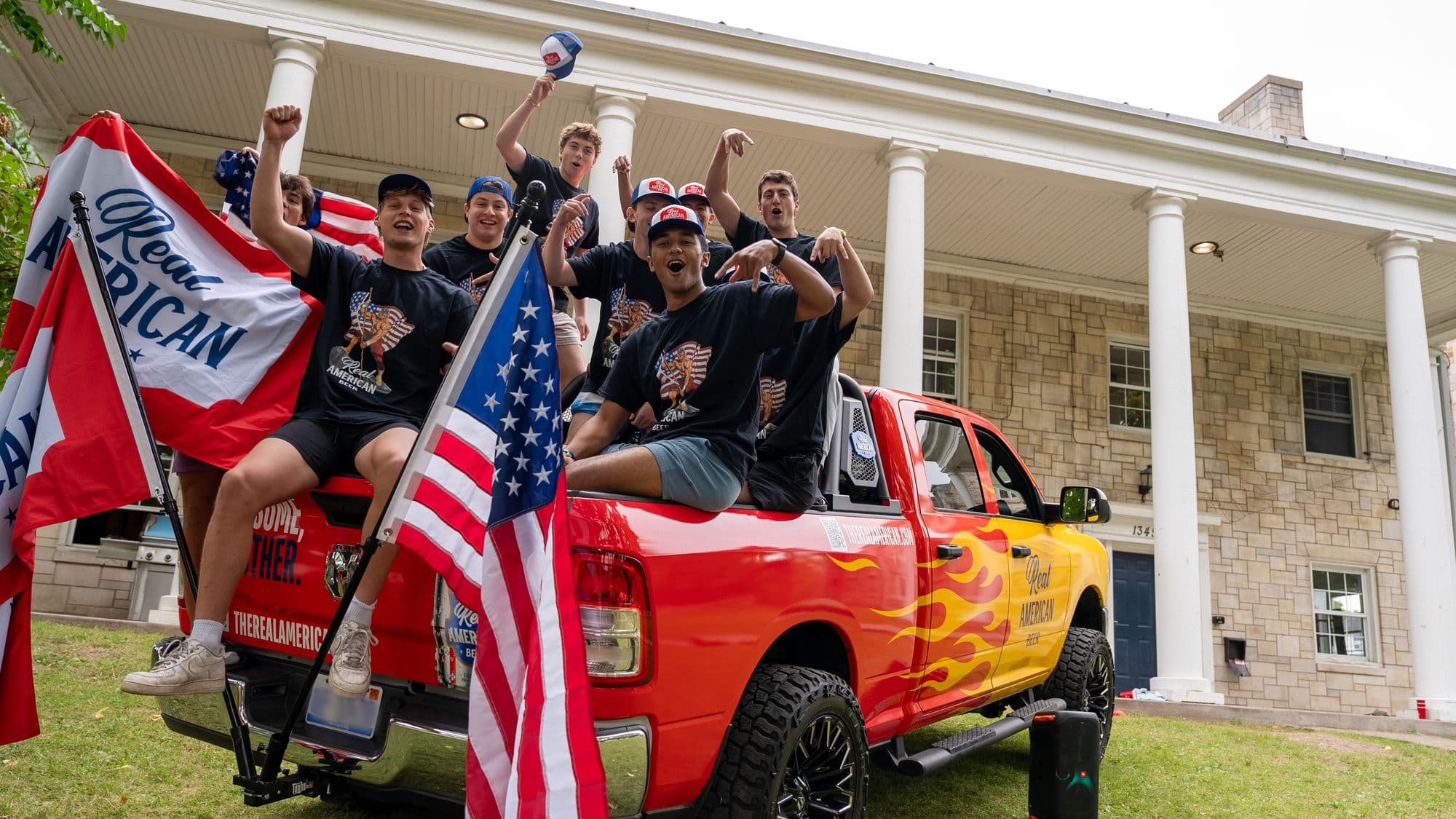
Depending on the brief, ambassadors host tables, seed product into friend groups, staff pop-ups, create TikTok or Instagram content, recruit peers to events, and report weekly. The best programs mix social proof with real-world presence so the brand shows up in both feeds and hallways.
Day to day, a strong ambassador is an operator: they know where students congregate, which houses or clubs will actually show up, and how to turn a brand ask into something peers want to participate in. That operating muscle is what paid media cannot buy cleanly.
Why brands use the model
Gen Z trusts peers more than polished ads. Ambassadors give brands a compliant, measurable way to show up inside Greek life, clubs, athletics, and dorm networks that paid social rarely reaches with the same credibility.
For CPG, beverage, beauty, apps, and alcohol brands (with the right guardrails), the value is not vanity impressions. It is trial, cultural ownership, and a network you can activate again next semester.
Ambassador programs vs influencer posts
Influencer marketing buys a post. An ambassador program buys ongoing campus operators. One can spike awareness for 48 hours; the other builds habit, relationships, and a campus footprint you can brief week after week.
Many brands use both: student creators for content reach and ambassadors for presence, sampling, and peer distribution. The mistake is treating a few posts as a full campus strategy.
How FLAIR runs them
FLAIR recruits and vets campus managers and ambassadors, trains them against your brief, manages incentives and quality, and reports results in Rollcall. Programs can stand alone or sit under larger experiential campaigns.
We design the roster around the goal - trial, downloads, Greek density, retail support - then keep weekly accountability so the program does not fade after week two.
What good looks like
Clear goals, the right campuses, enough ambassadors per school to create presence, and a reporting cadence tied to outcomes. Thin rosters across too many schools usually underperform a sharp pilot.
Frequently asked questions
- How many ambassadors does a campus usually need?
- It depends on the brief, but always-on presence often starts around a core team per school rather than a single student. Density beats a long list of inactive names.
- Do ambassadors have to be influencers?
- No. Reliability, campus network, and ability to mobilize peers usually matter more than follower count. Creators can be layered on top when content is a primary goal.
- How long should an ambassador program run?
- Most brands see better results over a semester window (roughly 8–16 weeks) than a one-week burst, because trust and habit compound.
- Can alcohol brands run ambassador programs?
- Yes, with compliance-first design - typically 21+ operators where required, approved formats, and clear guardrails.