Experiential
How college experiential marketing works
How brands use campus experiential marketing - activations, pop-ups, and gameday moments - to drive adoption, content, and peer proof.
In shortCollege experiential marketing puts brands into live campus moments - tailgates, pregames, pop-ups, tournaments, and installations - so students experience the product with peers instead of only seeing it in a feed.
What works on campus
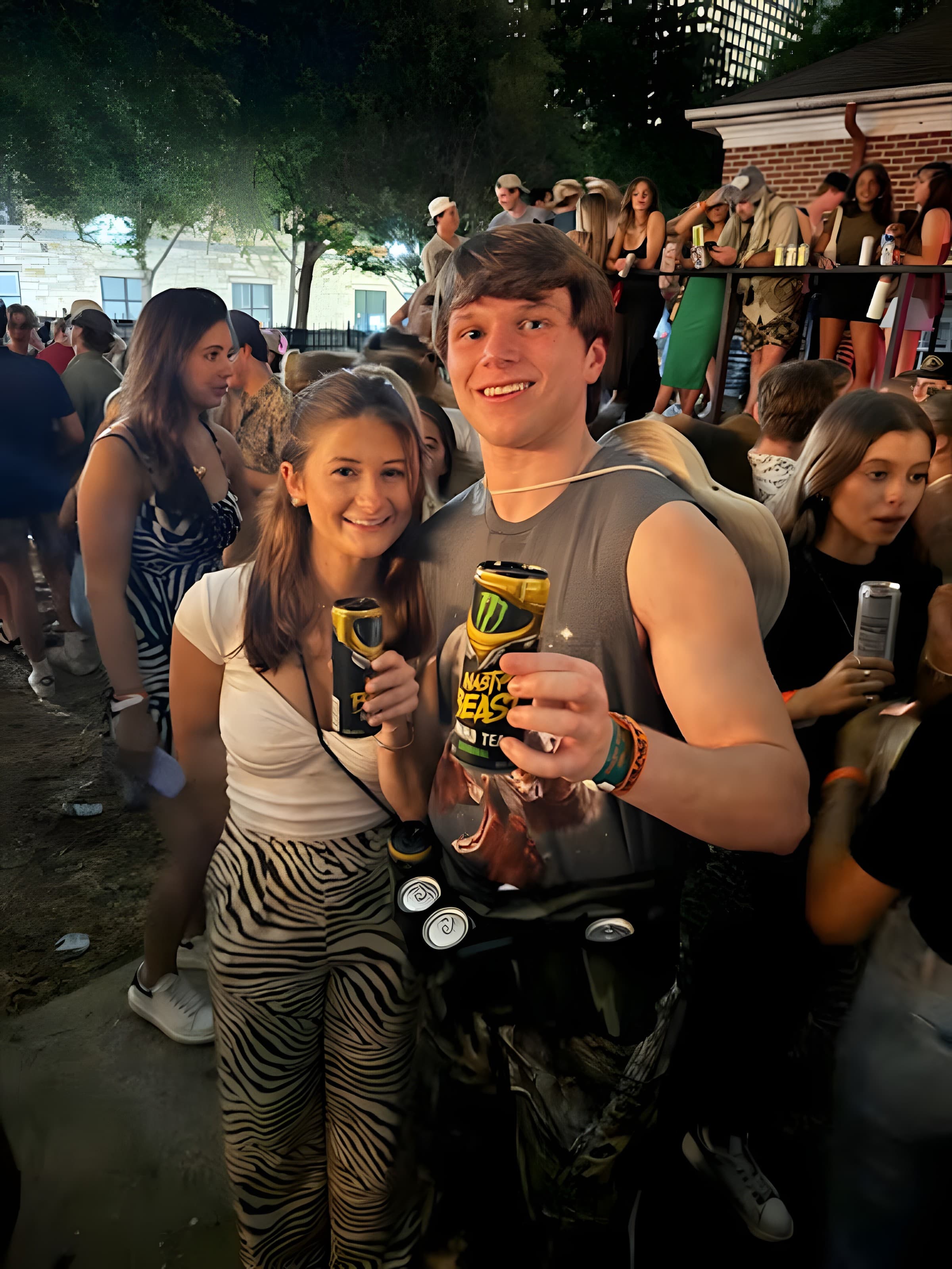
High-gravity calendar moments (gameday, move-in, Greek competitions, finals-week rituals) outperform random quad takeovers. Students already gather for those moments; the brand joins a story that exists.
The activation should be useful or fun first. Branding rides along. Forced brand nights with weak student incentives tend to look empty in photos and emptier in memory.
Amplification matters
The live moment is half the job. Creators, email lists, org partners, and ambassador posts turn a one-night activation into reach across campus and social the next morning.
Without amplification, even a packed activation dies at the edge of the tent. With it, the experience becomes proof content and FOMO for students who were not there.
Formats that travel
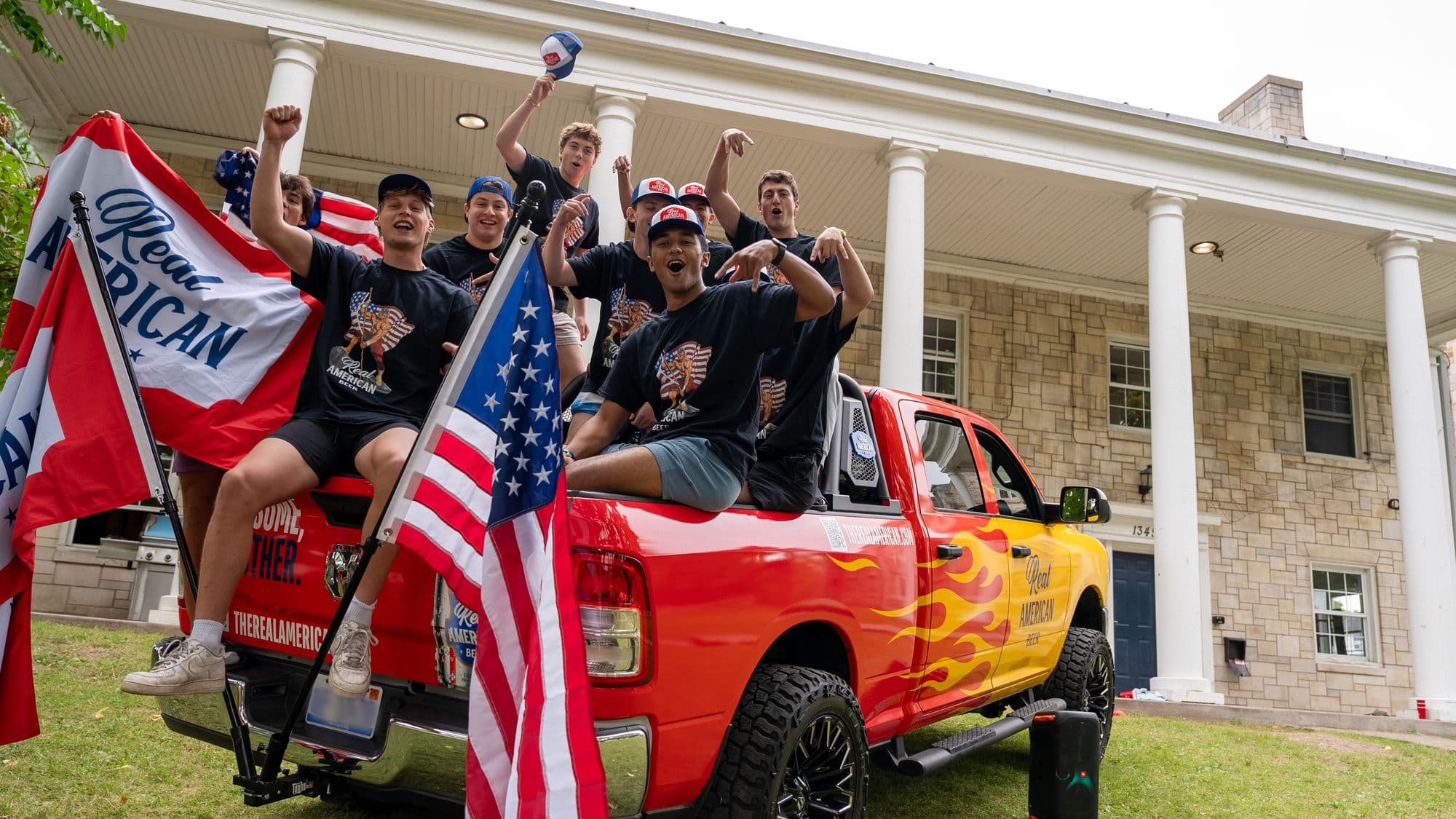
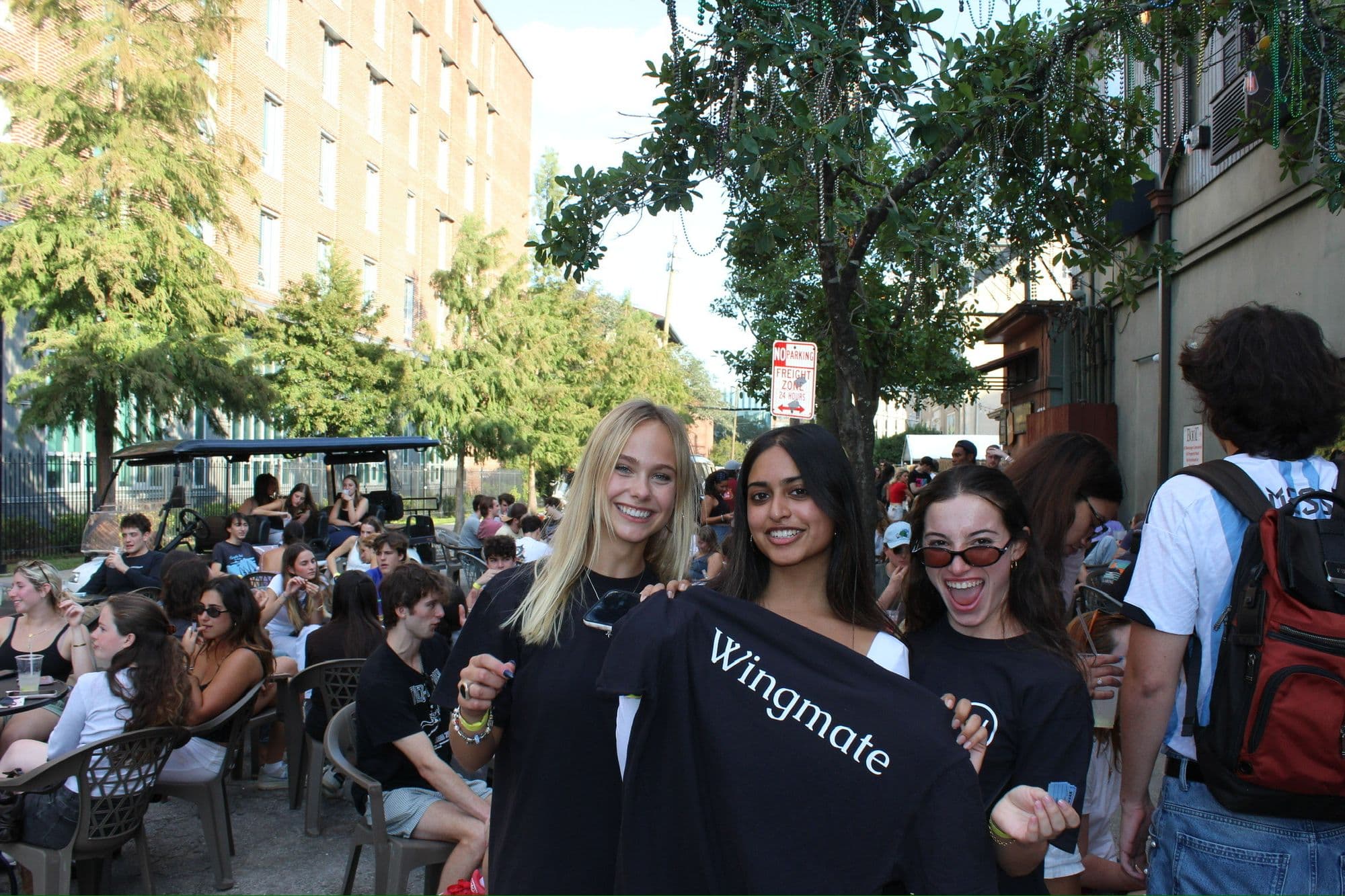
Truck or RV takeovers near stadiums, sampling corridors, tournaments, house drops tied to an event, and branded utilities (chargers, water, shade, games) often outperform static booths.
Choose the format from the audience and campus culture, not from a generic activations catalog.
FLAIR's approach
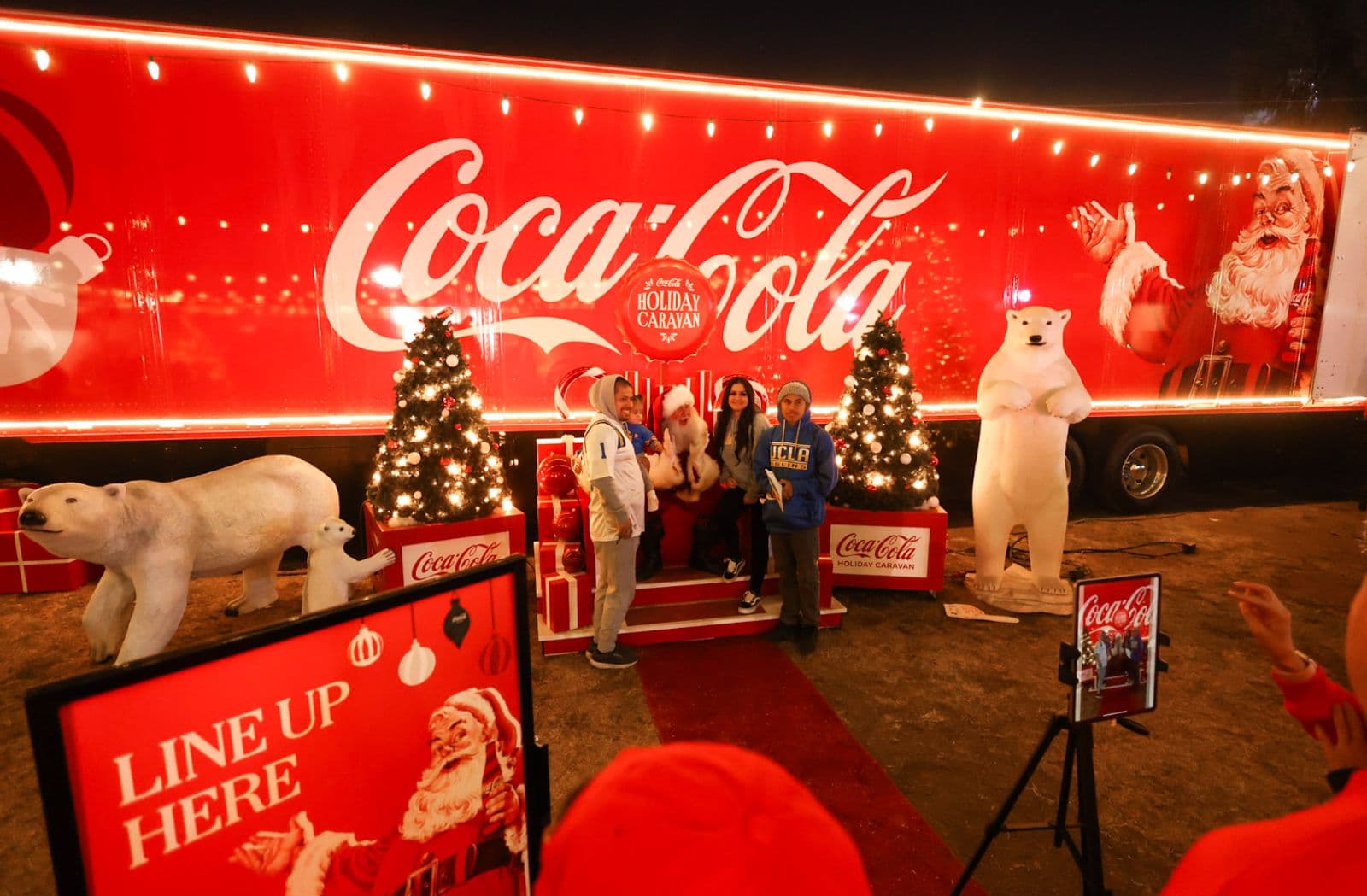
We produce the experience, staff it with the right students, and wrap it in outreach so the brand owns the moment - like Coca-Cola at the UCLA Rose Bowl pregame.
Strategy, student staffing, and content are designed as one system so the activation is not an expensive island.
Frequently asked questions
- Is experiential still worth it if students live on TikTok?
- Yes - because the best TikToks come from real moments. Live campus presence creates the footage and the peer proof that content alone invents poorly.
- How far in advance should a campus activation be planned?
- Major gameday or school-partnered moments often need weeks of logistics, permits, and recruiting. Smaller pop-ups can move faster, but quality still needs runway.
- What should brands measure after an activation?
- Attendance or throughput, product moved, content produced, follow-up actions (downloads, signups, retail pulls), and qualitative sentiment - not only event photos.