Launches
How to launch a product on college campuses
A practical playbook for launching a new SKU or product on college campuses - from goal-setting and campus selection to sampling, creators, and retail follow-through.
In shortA college product launch combines campus ambassadors, sampling or seeding, student content, and often near-campus retail so a new SKU gets trial, visibility, and social proof in the same window.
Start with the goal
Trial, retail velocity, downloads, or buzz need different mixes. Lock the outcome before you pick tactics.
A launch that tries to optimize every metric at once usually dilutes the stack and the story.
Build the stack
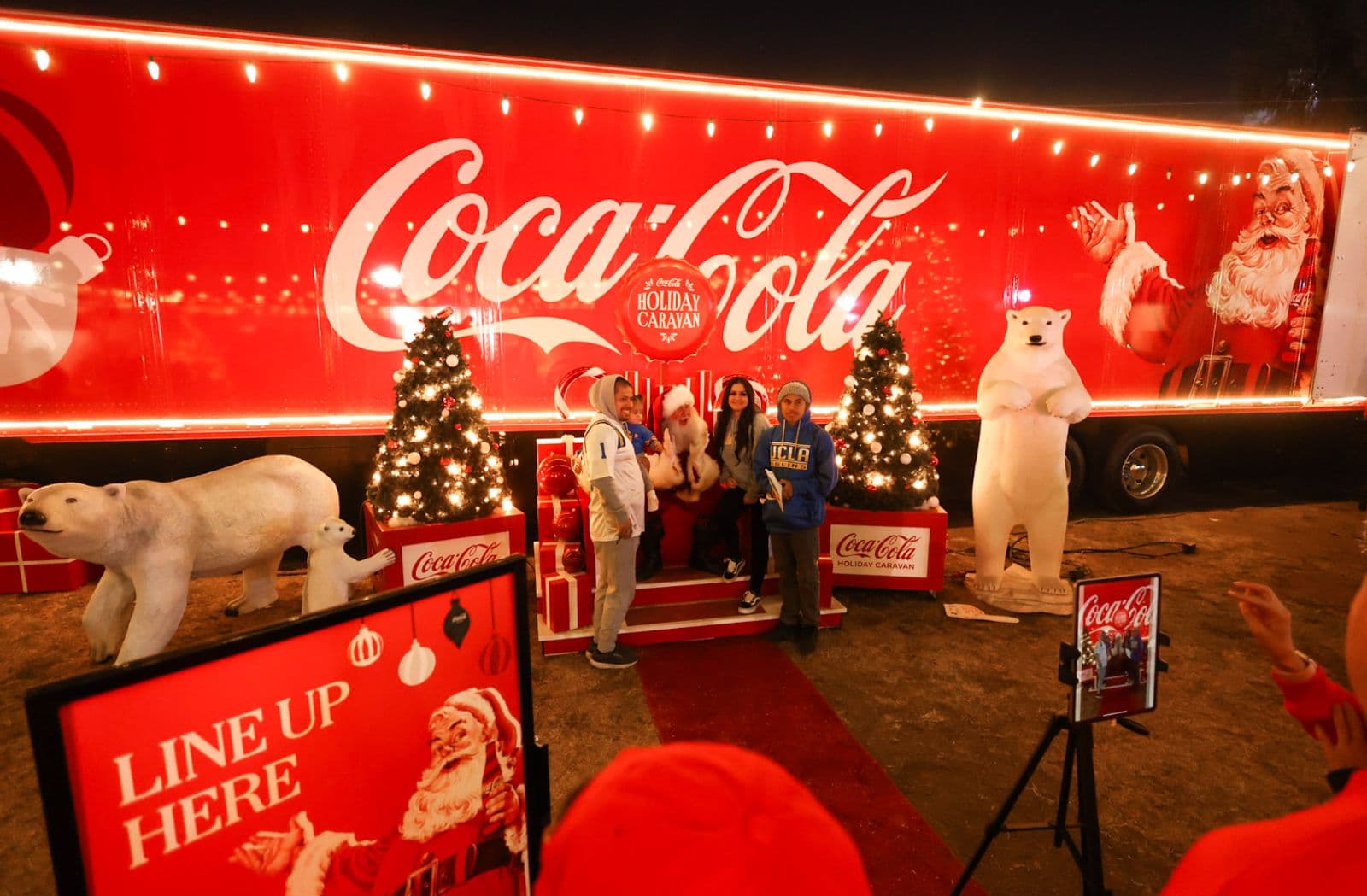
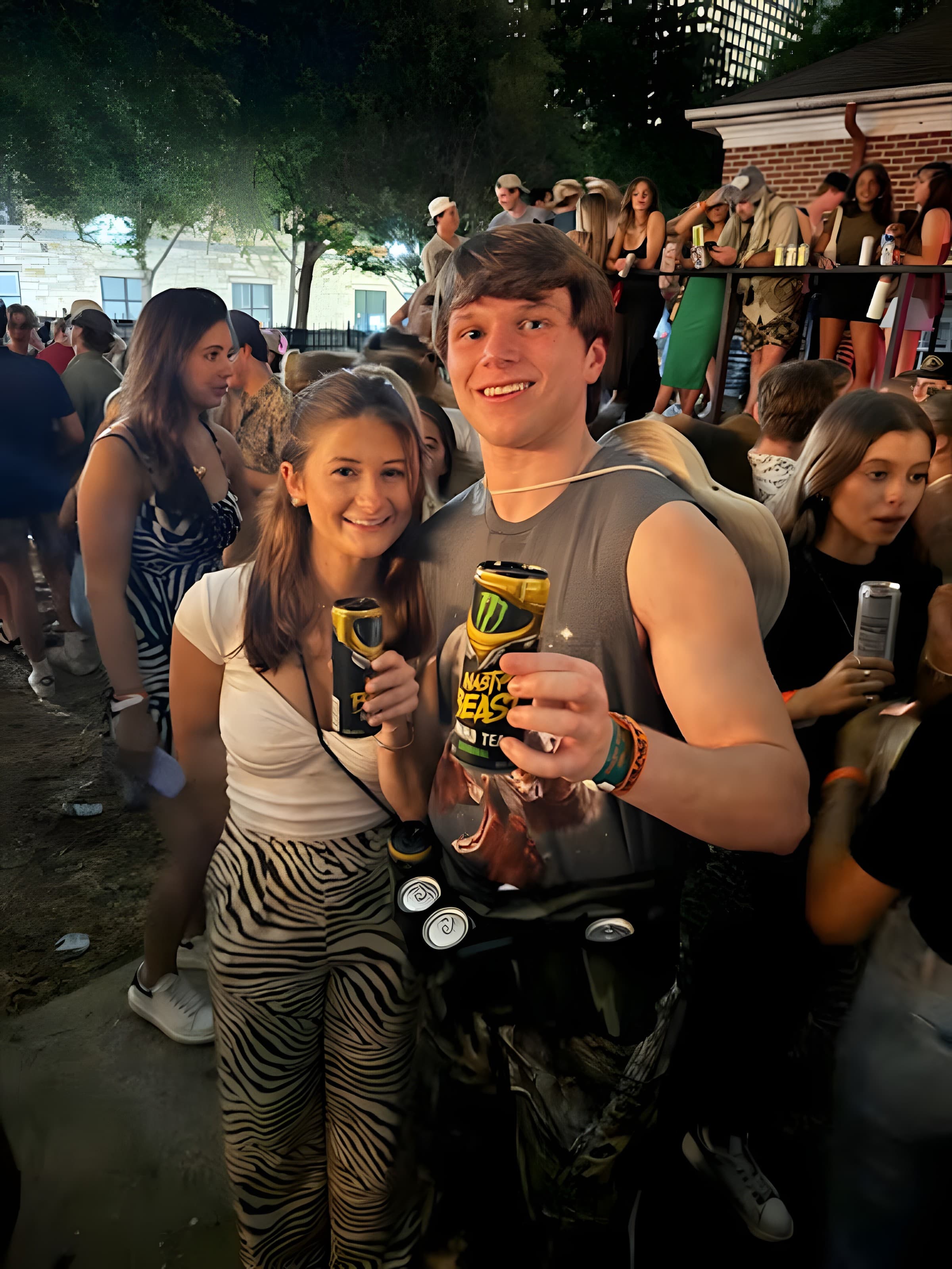
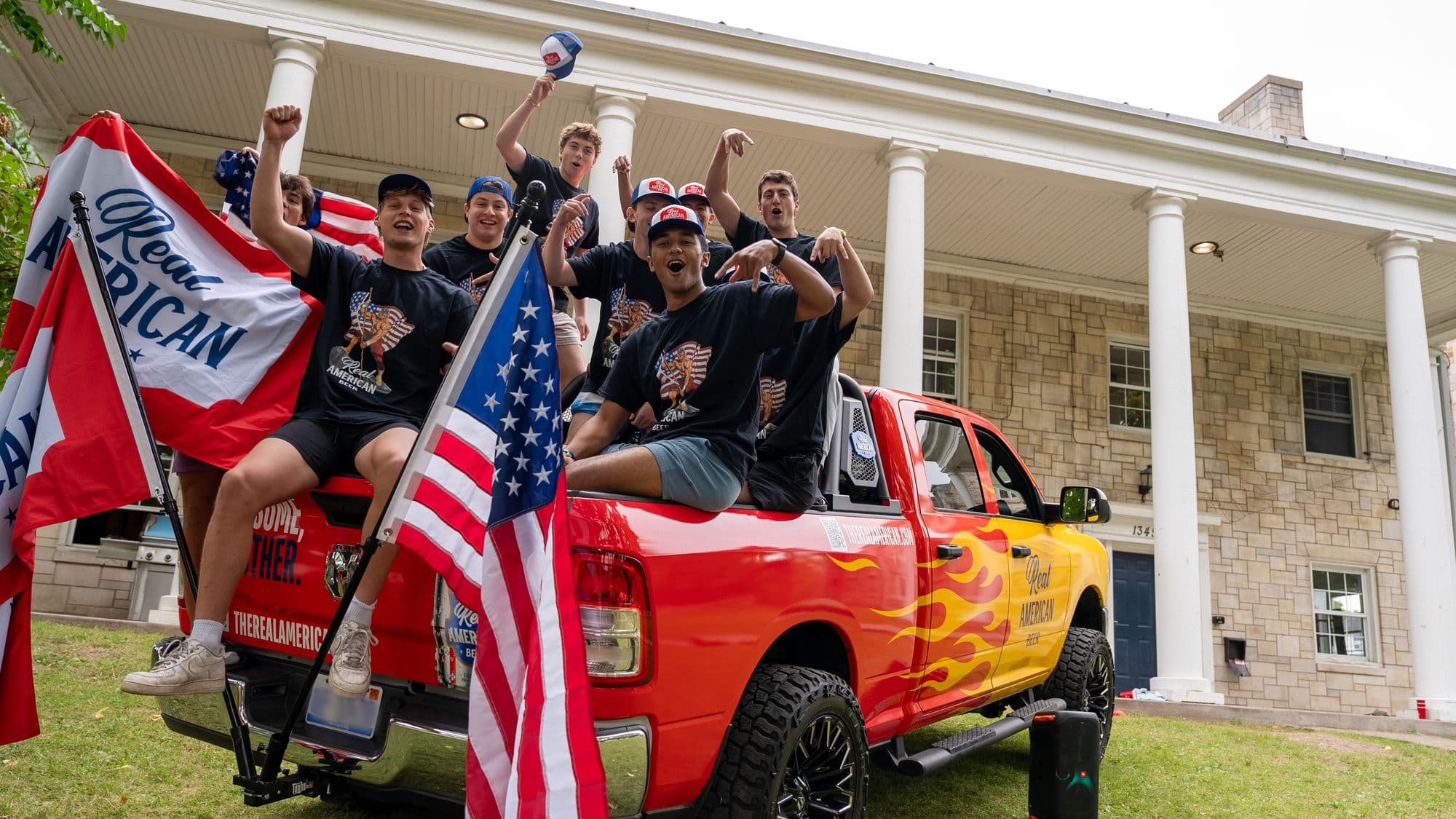
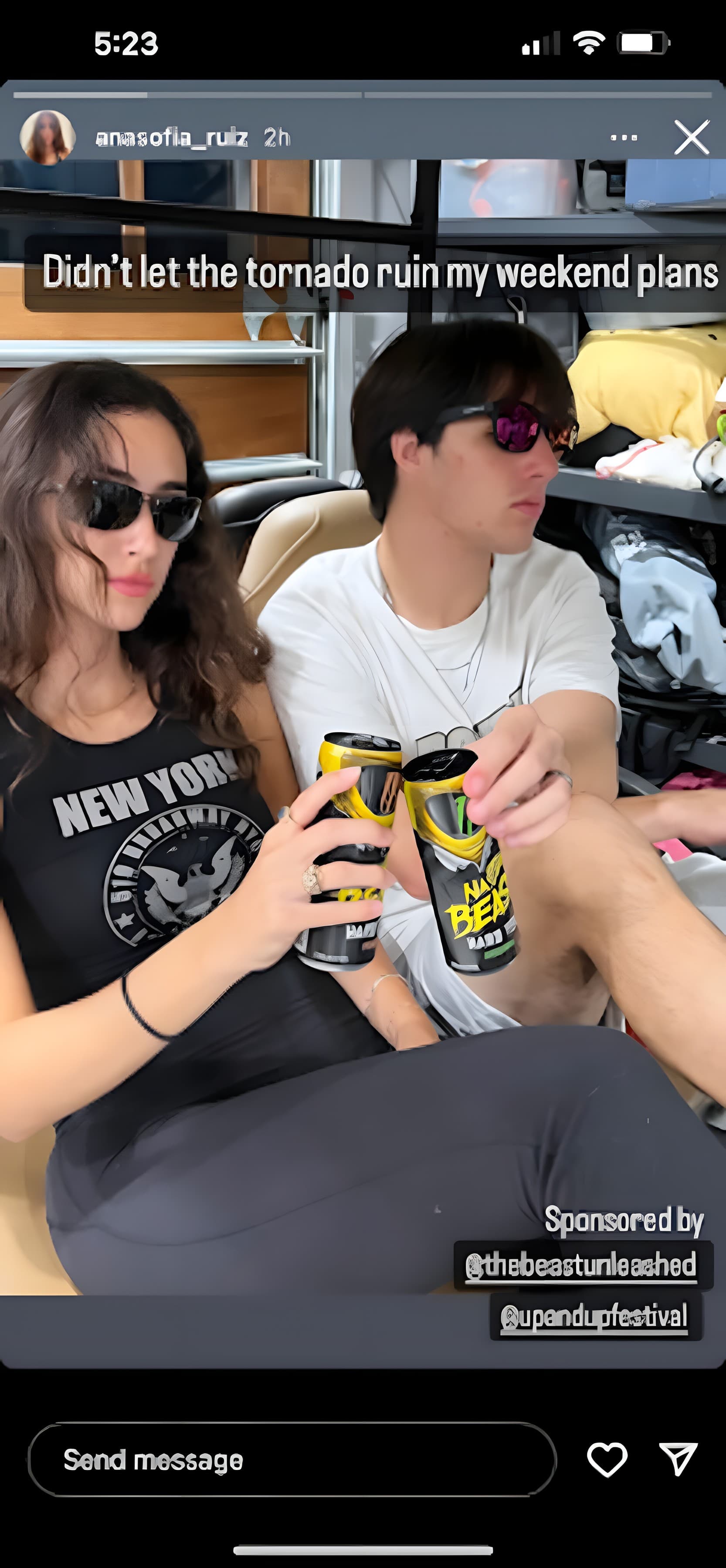
Typical launch stacks include ambassadors for weekly presence, sampling for hand-to-hand trial, creators for content, and retail checks if doors matter. Timeline is often 4–12 weeks around a launch date.
Sequence matters: seed and brief before the spike, activate hard during the window, then sustain with ambassadors so the product does not disappear after week one.
Choose campuses on purpose
Start where audience, culture, and distribution line up. A famous campus with no retail or no audience fit wastes launch energy.
Many brands launch on a short list, read the signal, then expand.
Prove, then widen
Spreading thin across 20 schools on day one rarely beats a sharp pilot with strong ops and clear learning.
Use the pilot recap to decide where to double down - not just whether campus 'worked' in the abstract.
Frequently asked questions
- How long should a campus product launch run?
- Often 1–3 months. A peak weekend can create a spike; a short always-on window builds habit and retail follow-through.
- Do we need retail doors near campus?
- Not always. Some launches are trial- and content-led. If the SKU needs shelf presence, pair ambassadors with door checks near campus.
- What is the biggest launch mistake?
- Buying a moment without operators or a follow-up plan. The weekend spike fades unless someone keeps the brand alive on campus afterward.