Gen Z
Gen Z marketing on college campuses
Why college campuses remain one of the highest-leverage places to reach Gen Z - and how peer trust, campus routines, and real-world presence beat feed-only strategies.
In shortGen Z marketing on college campuses works because campuses concentrate peer trust, shared routines, and cultural moments - so brands can earn adoption through students rather than only buying attention in crowded feeds.
Attention is social
On campus, recommendations travel through friends, houses, group chats, and creators students already follow. That is harder to fake with polished ads.
Peer density is the advantage. The same message lands differently when it comes from someone in your dorm, chapter, or class.
Feeds are crowded and rented. Campus social graphs are dense and reusable. Brands that earn a place inside those graphs can re-activate the same networks next week instead of rebuying attention from scratch.
Be useful in the moment
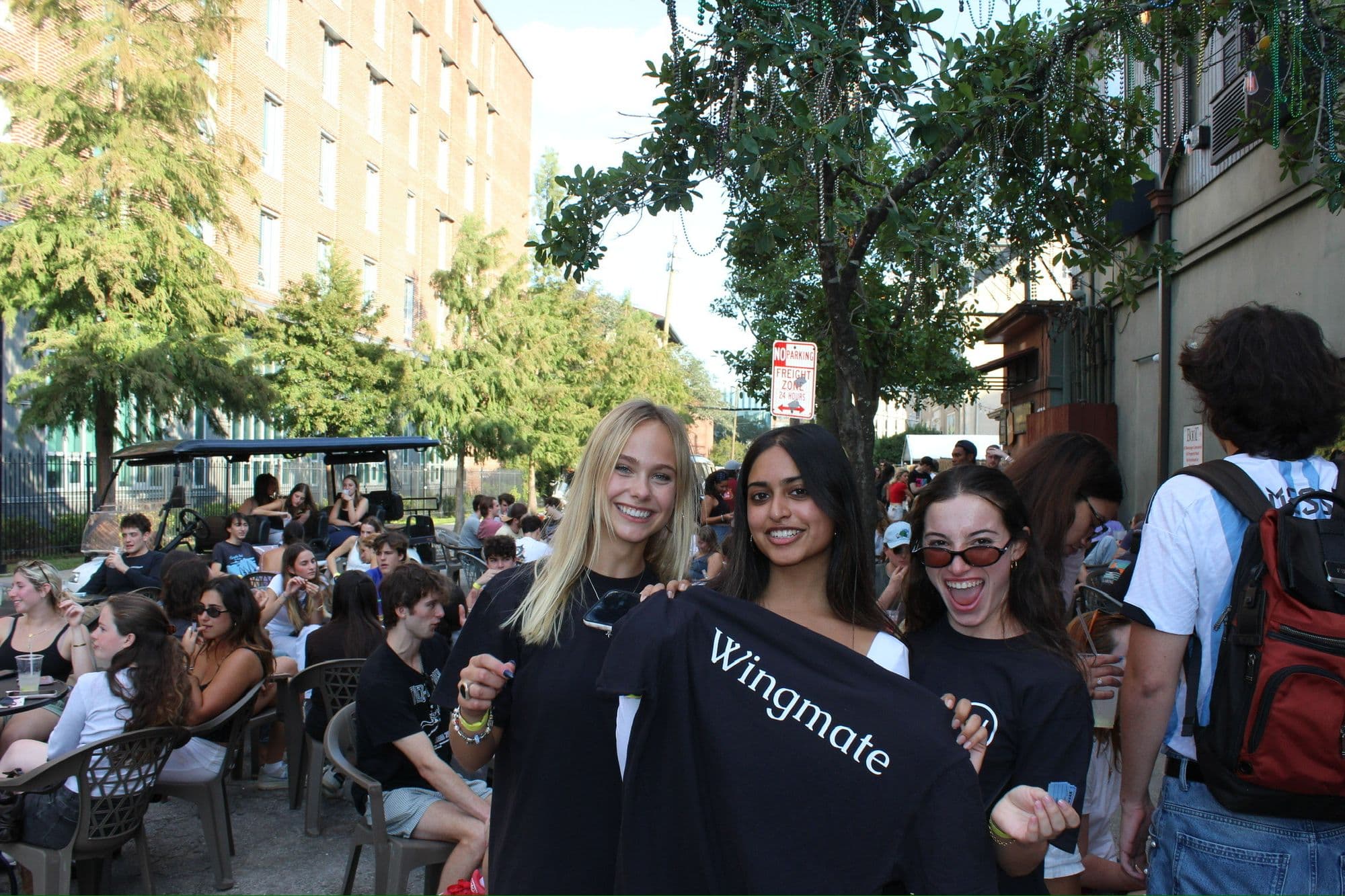
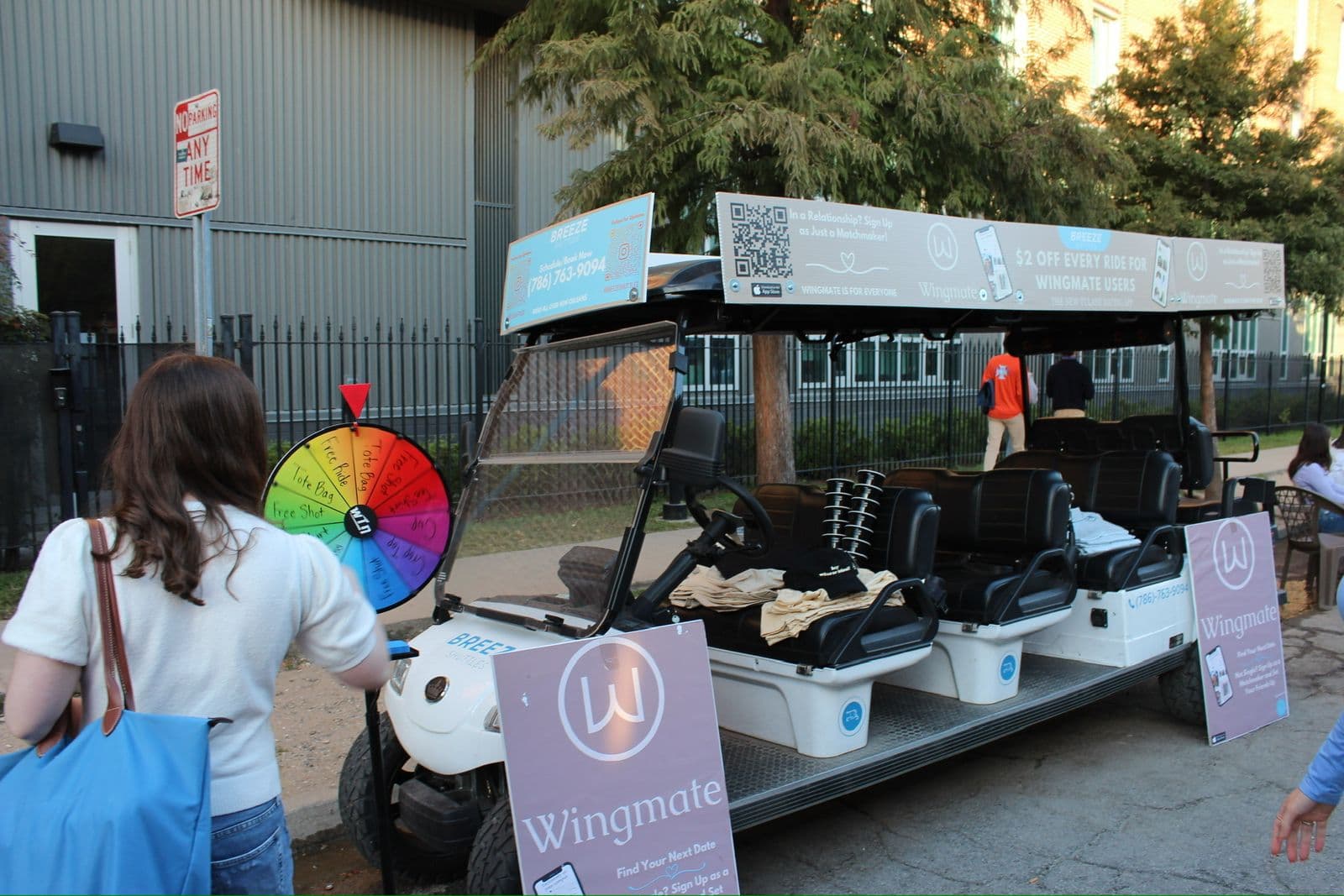
Gen Z responds to brands that show up in real life - samples, events, tools, and content that feel native - then make it easy to share.
Utility and belonging beat slogans. If the brand helps the day feel better, students carry it forward.
That is why the strongest campus plans attach to moments students already care about: move-in, gameday, Greek calendars, club nights, and launch weeks - not invented brand holidays that nobody asked for.
Formats that convert Gen Z on campus
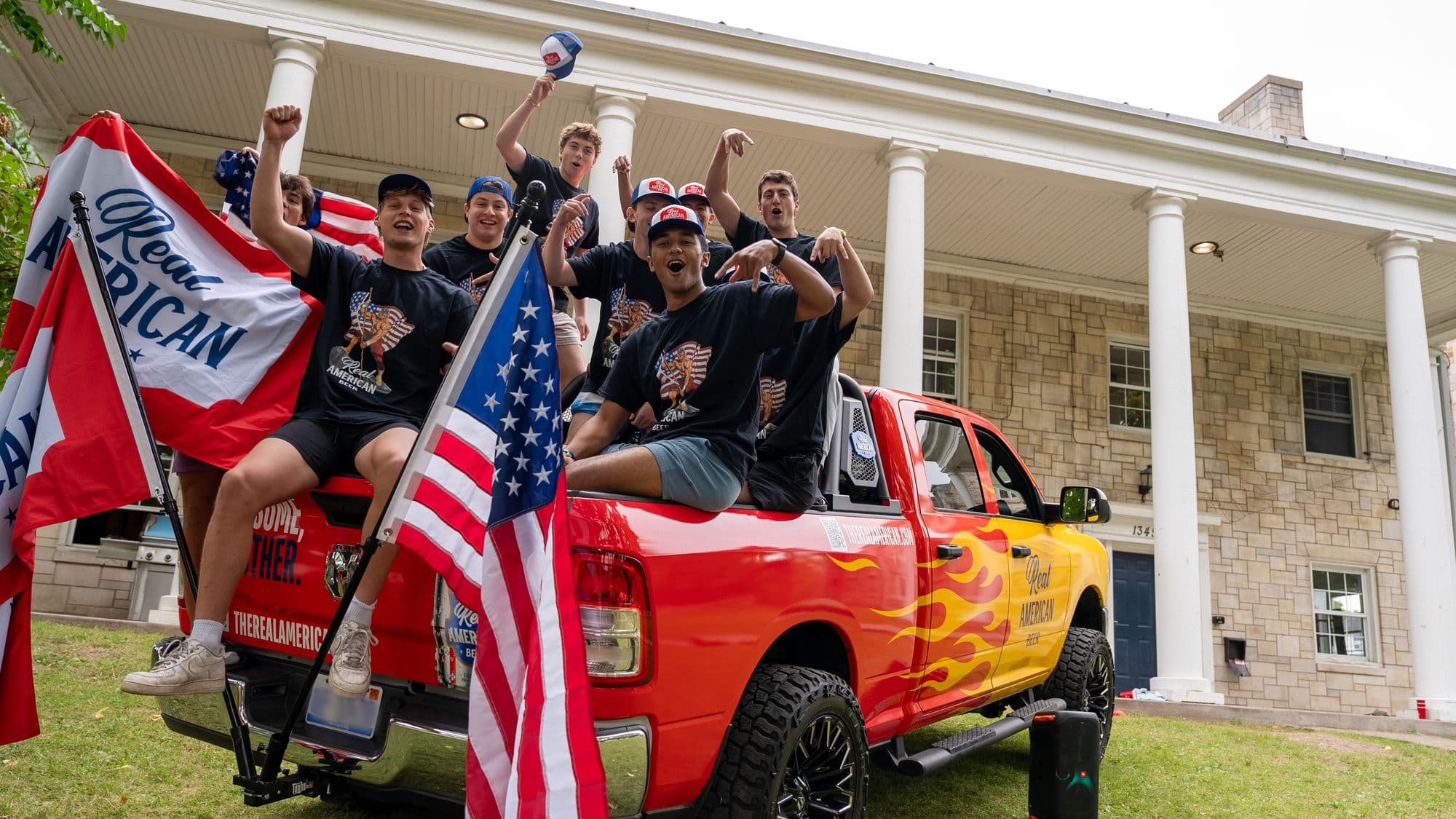
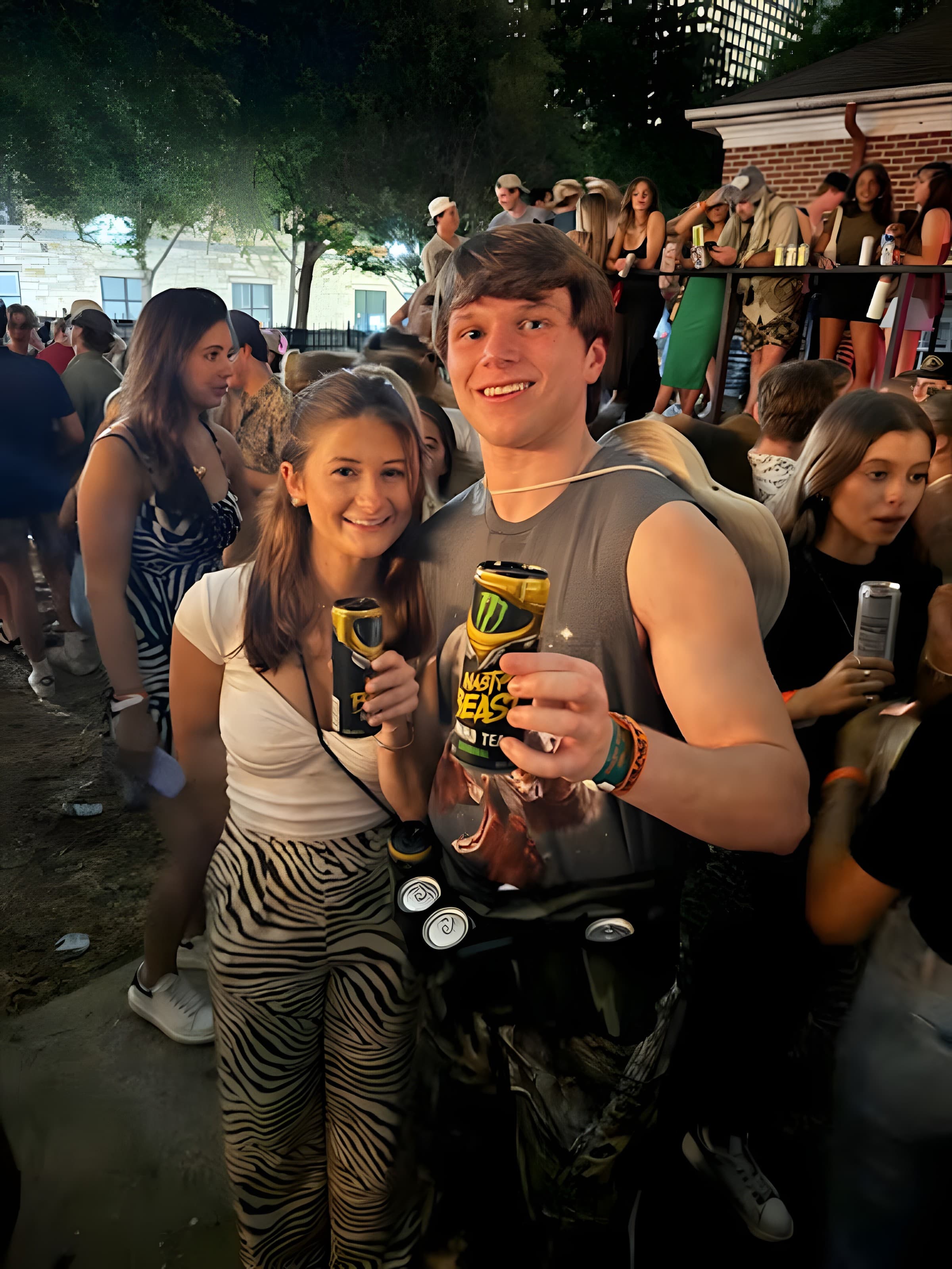
Ambassador programs create weekly peer presence. Sampling and seeding create trial. Student creators package the story for the feed. Experiential moments give everyone something to talk about.
Used alone, each format is incomplete. Used together against one goal - downloads, trial, retail movement, or cultural ownership - they compound.
Measure what matters
Track trial, downloads, attendance, and product movement alongside content. Campus Gen Z programs should defend business outcomes, not just vibe.
Vibe without a scorecard gets cut. A scorecard without cultural fit never gets vibe.
A useful report shows both: the weekly operating proof that the program ran, and the lagging signals that leadership actually funds again next semester.
Where FLAIR fits
FLAIR builds the campus operating layer - ambassadors, access, activations, and creators - so Gen Z strategy becomes something you can run every week, not a concept deck.
That is how brands move from "we should be on campus" to a program with proof.
If you want a planning range before the call, start in Build Campaign, then we scope the campuses and stack against your north-star metric.
Frequently asked questions
- Is TikTok enough to reach Gen Z on campus?
- TikTok helps discovery, but campus presence converts. The strongest programs pair student content with ambassadors and live moments so the brand exists in both the feed and the friend group.
- Why not just run national Gen Z media?
- National media scales reach. Campus programs build local ownership and peer proof in the places where habits form. Most brands need both, sequenced - not a media plan pretending to be culture.
- Does campus marketing still work as Gen Z ages?
- Campuses continuously refill with new Gen Z cohorts. The channel stays relevant even as older cohorts graduate, which is why semester programs compound year over year.
- What creative tone works best?
- Campus-native, specific, and peer-led. Avoid talking at students like a brand boardroom. The more it sounds like a group chat, the more it travels.
- How should brands start a Gen Z campus program?
- Pick a clear outcome, choose a short list of fit campuses, run a focused stack for one cycle, then scale what the data and campus sentiment support.